
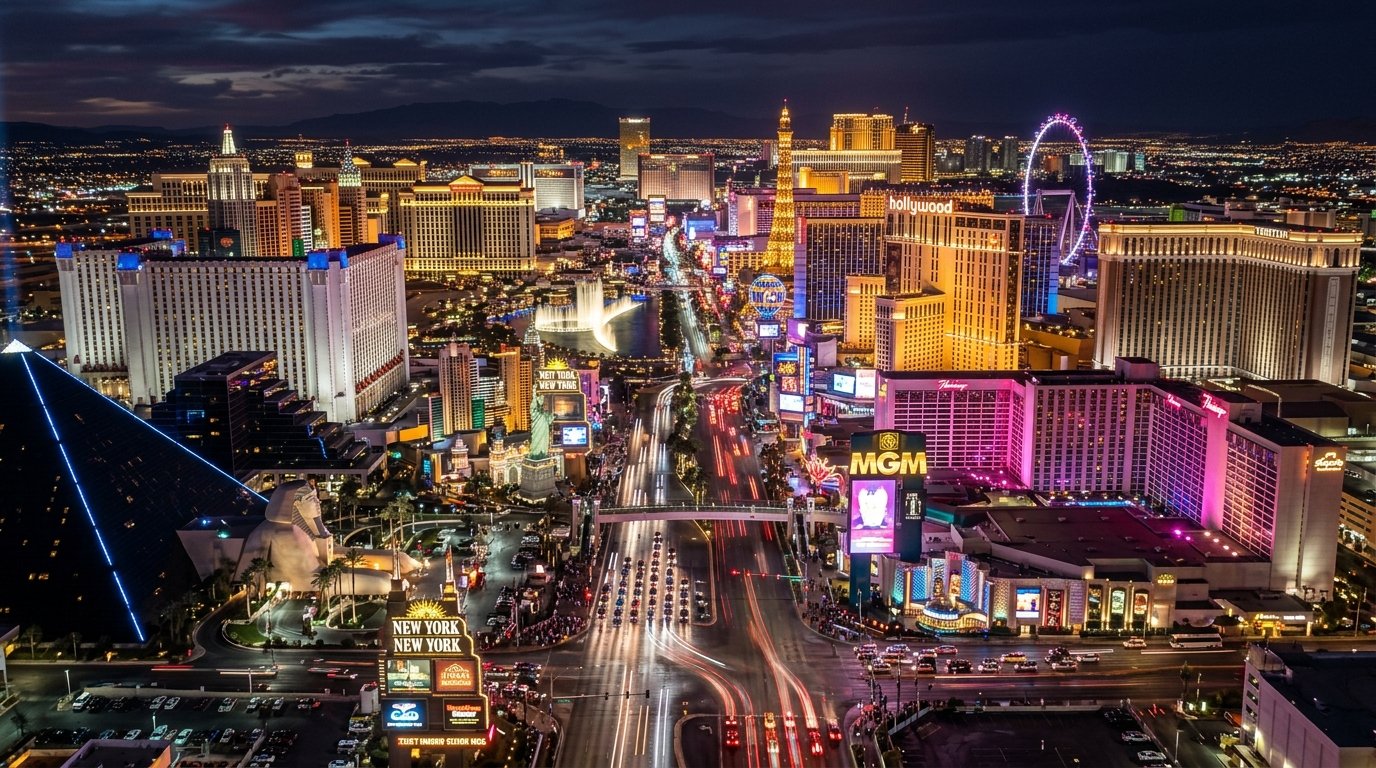
This guide covers the meaning of “sinpcity,” the real Las Vegas travel picture in 2026, and practical planning advice. It does NOT address online gambling platforms, VR games, or adult content communities that also use the term.
What “Sinpcity” Actually Means (You’re Not the Only One Confused)
Sinpcity is a phonetic respelling of “Sin City” — the long-standing nickname for Las Vegas, Nevada. When someone types it as one word, they’re almost always referring to the city itself, not a specific platform or product.
Here’s the thing: thousands of people search this term daily and land on wildly different pages — some covering VR games, some adult forums, some travel blogs. None of them explain why the confusion exists. So let’s just say it plainly.
Las Vegas earned the “Sin City” label in the mid-20th century when Nevada legalized gambling in 1931, making it the first U.S. state to do so at scale. The nickname stuck because no other American city offered the same legal combination of gambling, 24-hour entertainment, and nightlife in one place. Over decades, the term compressed into pop culture shorthand — and eventually into searches like “sinpcity.”
Or maybe I should say it this way: the word isn’t confusing because people are searching wrong. It’s confusing because the internet attached it to multiple things at once.
Quick Definition Block: Sinpcity refers to Las Vegas, Nevada — nicknamed “Sin City” for its legal gambling, nonstop nightlife, and entertainment culture dating back to the 1930s. The term is sometimes used by online platforms and gaming communities, but in most search contexts it points to the physical city.
What Las Vegas Actually Looks Like in 2026
Las Vegas had a rough 2025. According to the Las Vegas Convention and Visitors Authority (LVCVA, January 2026), the city drew 38.5 million visitors last year — a 7.5% decline from 2024, the steepest single-year drop since the pandemic. Hotel occupancy sat at 80.3%, down 3.3 points. Average daily room rates fell to $183.52.
That stat surprises people. The city most associated with excess and full hotels actually struggled.
But here’s what the headline numbers miss: 2026 is shaping up very differently. The FIFA World Cup, WrestleMania 42, the Las Vegas Grand Prix, and UFC International Fight Week are all scheduled, with the LVCVA forecasting a sharp rebound in international visitation. Booking now — before those events spike demand — is the move most guides don’t tell you to make.
Most people assume Las Vegas is always expensive. The data says otherwise — room rates in early 2026 remain well below the 2023 peak, meaning this is one of the better windows to visit in the last three years.
The Strip vs. Downtown: Where Sinpcity Actually Splits
This is the decision most first-time visitors make wrong.
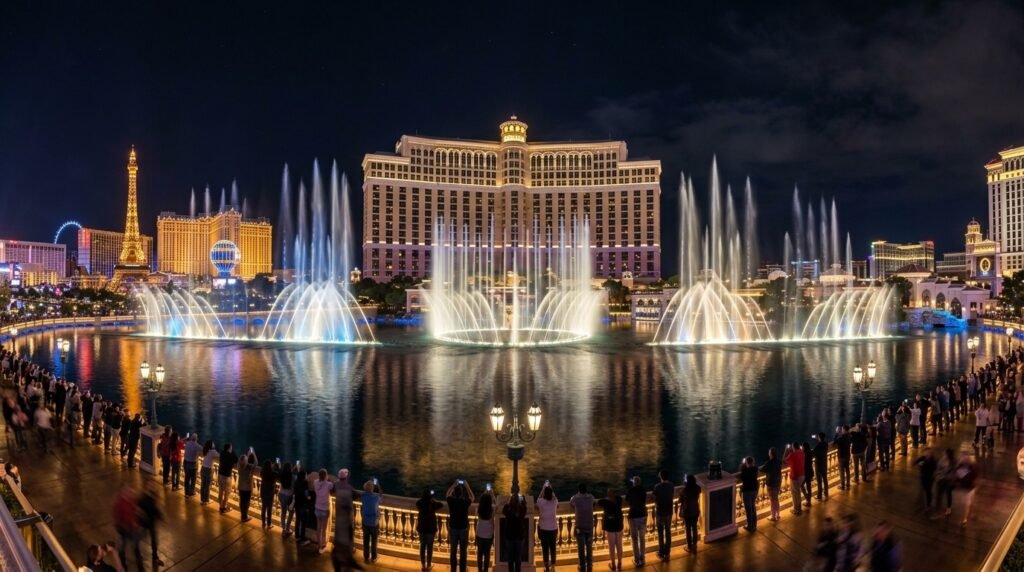
The Strip — Las Vegas Boulevard South — is where the mega-resorts live: The Venetian Resort, Bellagio, MGM Grand, Caesars Palace. Hotels here run $180–$400/night on weekdays; weekends can easily clear $500 during events. The casinos are massive. The food is world-class. The scale is genuinely disorienting the first time.
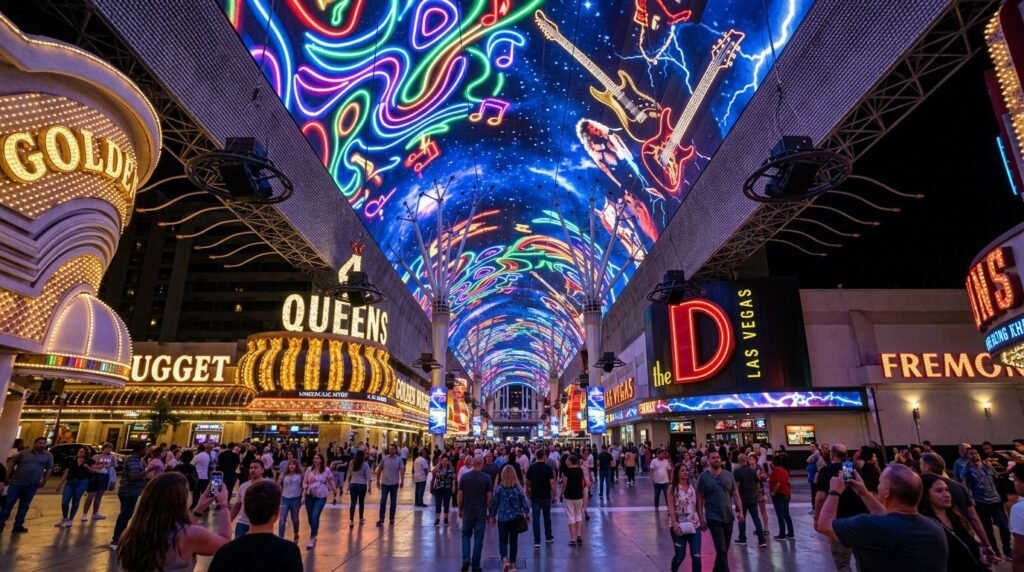
Fremont Street Experience is different. It’s free. Located in downtown Las Vegas about 10 minutes from the Strip, it’s a 1,500-foot pedestrian mall covered by the world’s largest LED canopy — and it runs shows every hour after dark at no cost. The surrounding hotels (Golden Nugget, Circa) run significantly cheaper than Strip properties.
Quick Comparison: Strip vs. Fremont Street
| Option | Best For | Key Benefit | Limitation |
| The Strip (Venetian, Bellagio) | First-timers, luxury travelers | Iconic landmarks, world-class dining | Expensive, crowded, large walking distances |
| Fremont Street Experience | Budget travelers, repeat visitors | Free nightly shows, cheaper hotels | Less glamorous, further from major resorts |
| Off-Strip Locals Casinos | Budget gambling, authenticity | Lower minimums, fewer tourists | Less atmosphere, fewer amenities |
| Henderson/Summerlin Hotels | Families, quiet stays | Cheaper rates, residential feel | Requires a car, far from entertainment |
Some travel writers argue the Strip is overrated and Fremont Street is the “real” Las Vegas. That’s valid — if you want gritty, historic, affordable. But if you’ve never stood in front of the Bellagio fountains at midnight, the Strip deserves at least one night.
What First-Timers Always Get Wrong in Sinpcity
Look — if you’re visiting Las Vegas for the first time and you’re planning to “just see how it goes,” here’s what actually happens: you spend three times your budget and miss half the things worth seeing.
The walking problem. The Strip looks walkable on a map. It isn’t. The distance from Mandalay Bay to the Stratosphere is four miles. In Nevada heat, that’s brutal. Budget for rideshares between properties.
The resort fee trap. Hotels advertise a base room rate, then add $35–$55/night in mandatory “resort fees” at checkout. The Venetian, MGM Grand, and Caesars all do this. The actual cost is always higher than what you see in search results. Budget 25–30% above the advertised rate.
Show tickets. Residencies — major artists doing extended runs — book out weeks in advance. Cirque du Soleil’s Las Vegas productions often sell out on weekends. If there’s a specific show on your list, buy before you land.
The 2am hunger mistake. Every major resort has 24-hour dining, but the cheapest options close at midnight. Plan your late-night eating in advance or you’re paying $28 for a burger at the nearest hotel café.
How to Plan a Sinpcity Trip Without Getting It Wrong
To plan a first-time Las Vegas visit effectively, follow these steps:
- Pick your dates around events — check the LVCVA events calendar; prices triple during fights, concerts, and conventions
- Book hotel + flight together — package deals on Expedia or Hotels.com regularly beat booking separately by $80–$150
- Choose Strip or Fremont Street first — your hotel location determines your daily experience
- Pre-buy show tickets — set a budget, decide on 1–2 shows, and buy at least two weeks out
- Add 30% to your hotel budget — to cover resort fees, parking ($20–$40/day), and taxes that don’t appear in the headline rate
- Download the Lyft or Uber app before you land — cab lines at the airport run 20–40 minutes on busy nights
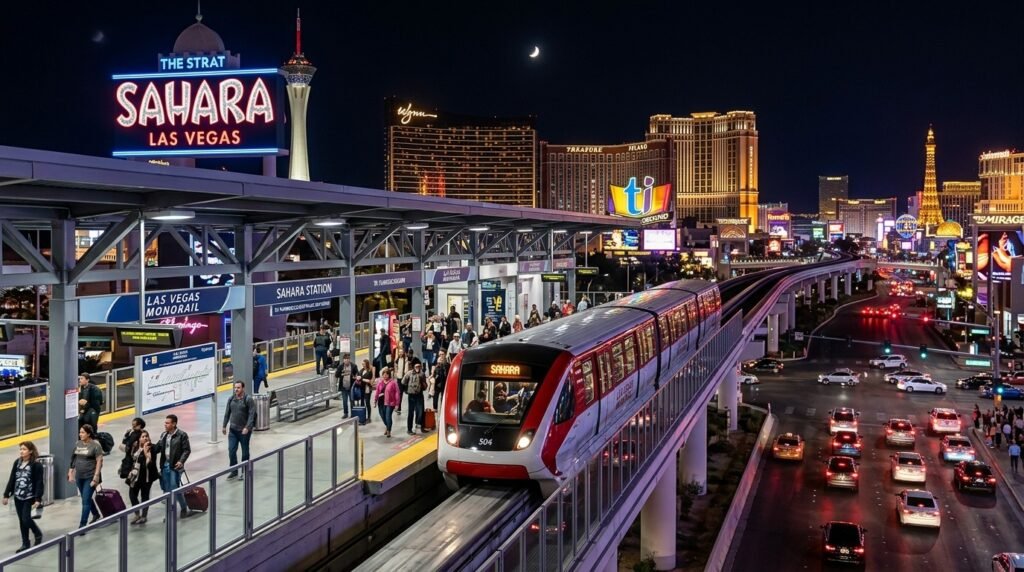
Quick note: the Las Vegas Monorail connects major Strip properties on the east side of the boulevard for around $6/ride — massively underused by tourists and genuinely useful if your hotel is on the rail line.
What People Actually Ask About Sinpcity
What’s the best time of year to visit Las Vegas?
March–April and October–November offer the best weather and lower hotel rates. Summer temperatures regularly exceed 110°F (43°C), and event weekends spike prices year-round regardless of season.
How do I avoid overspending in Las Vegas?
Set a daily gambling budget before you walk into any casino, pre-book meals at restaurants with fixed menus, use the free Fremont Street shows, and always check the total hotel cost — including resort fees — before booking.
Should I stay on the Strip or downtown?
First-timers should stay on the Strip for at least one night to experience the scale. Budget travelers or repeat visitors often get more value — and more authenticity — in the Fremont Street area.
Why does Las Vegas call itself Sin City?
Nevada legalized gambling in 1931, making Las Vegas uniquely permissive compared to the rest of the U.S. The nickname grew from its legal combination of gambling, alcohol, adult entertainment, and 24-hour operation — things other cities actively restricted.
When should I book Las Vegas hotels to get the best rate?
Book 6–8 weeks out for standard weekends. For major events (Super Bowl, fight nights, New Year’s Eve, large conventions), 3–6 months is not too early. Last-minute deals rarely materialize in Las Vegas the way they do in other destinations.
I’ve Seen Conflicting Data — Here’s My Read
A few travel sites still claim Las Vegas tourism is booming and competition for hotel rooms is fierce. That was true in 2023. The LVCVA’s own 2025 year-end data tells a different story: 3.1 million fewer visitors than 2024, the sharpest decline in the authority’s recorded history outside the pandemic. Some sources cite different totals (35.4 million vs. 38.5 million) because they’re drawing from November YTD vs. final year-end numbers.
My read: 2026 is a legitimate buyer’s market for Las Vegas travel, at least until the World Cup and WrestleMania crowd pricing back up. If a trip is on your list, the window between now and those events is real.